
Online Courses
A Guide To Educating Patients
There are five sections in this course: Section 1: Introduction Section 2: Step 1 – Assessment Section 3: Step 2 - Planning Section 4: Step 3 – Implementing Section 5: Step 4 – Documenting There is a post-test at the end of the course. Intended Audience healthcare providers that contract with the Iowa Department of Public Health WISEWOMAN/Care for Yourself program to provide cardiovascular screening and treatment to eligible women, ages 40-64. The training course would also prove beneficial for any healthcare providers considering the implementation of patient education into their practice Learning Objectives: After completing this course, participants should...
A Physician’s Practical Guide to Culturally Competent Care
With the increasing diversity of the United States' population, physicians are more and more likely to encounter situations that require the delivery of culturally competent care, access to a vast array of language services, and supportive health care organizations.
A Shelter Story: Integrating Functional Needs Support Services (FNSS) Into Emergency Shelter Plans
The learner's goal in this course is to master the knowledge and skills needed to collaborate with community stakeholders on integrating Functional Needs Support Services (FNSS) into local emergency shelter plans. This one-hour video-based course consists of five sections with estimated viewing times as follows: Getting Started (5 minutes) The Hot-Wash Sessions (20 minutes) >The Demographics of Disaster (15 minutes) An Open Conversation (10 minutes) Invitation to Planning (5 minutes) Allow an additional five minutes to complete the Post-Test. Intended Audience Emergency managers, shelter planners, and other mid-level public health professionals responsible for community preparedness are the intended audience for...
Accurately Weighing and Measuring Infants, Children and Adolescents: Technique
With the availability of the WHO Growth Standards, this is an opportune time for all pediatric health care providers to re-evaluate the tools they use and the approach they have in their clinical setting for measurement, plotting and interpretation of growth charts. This module reviews techniques for measuring and recording infant length, weight, and head circumference and reviews the technique for obtaining and recording weight and stature for children and adolescents. The information in this module is intended for the measurement of typically developing children. Another module provides information on the measurement techniques to be used when children have special...
Basic Epidemiology: Infectious Disease
Content Summary There are four sections in this course: Section 1: Epidemiology and Important Terms Section 2: Models for Understanding the Infectious Process Section 3: Epidemiology in Practice Section 4: Surveillance There are review questions at the end of each section. These review questions will provide you with an opportunity to apply the knowledge and skills presented in these sections. In Section 3, you will have the opportunity to look at the case study of foodborne outbreak investigation. This course may be taken by itself, or as part of the New Public Health Administrators (NPHA) Curriculum. Intended Audience This course is intended for public health practitioners...
Basics of Guardianship and Conservatorship and Alternatives
This 2-hour course, presented by Deanna Clingan-Fischer, JD, Executive Director of the Guardianship Association of Iowa Network (GAIN), provides an overview of substitute decision-making in Iowa.
Betty Miller: Older Female With Right Shoulder Pain
The goal of this course is to provide an interactive learning experience about acute shoulder pain in an older adult. Intended Audience The intended audience for this course is public health professional, healthcare providers, and pre-licensure students in the fields of medicine, nursing, physical and occupational therapy, pharmacy, and social services. Learning Objectives At the end of this course, you will be able to Apply valid and reliable tools for measuring pain and associated symptoms to assess and reassess related outcomes as appropriate for the older adult with frozen shoulder. Identify the value and contribution of each team with respect...
Biological Risk Management
The goal of Biological Risk Management (BRM) is to introduce the concept of BRM, disease transmission, and how to minimize the risk of disease. Intended Audience The intended audience for this course is rural health professionals. Length The length for this course is approximately 60 minutes depending on the individual user. Upon completion of the course, you will get a certificate of completion from the Great Plains Center of Agricultural Health at the University of Iowa College of Public Health. Prerequisite Requirement NA, however, it is advisable that you have some basic understanding of agricultural environment. Learning Objectives At the...
Biosafety: Avoiding Lab Acquired Infections (LAI)
There are four sections in this course: Section 1: Background Section 2: BSLs and Use of Equipment for Your Safety Section 3: Pathogens of Risk Section 4: Building Safety into Laboratory Practice There are review questions at the end of each section. These review questions will provide you with an opportunity to apply the knowledge and skills presented in these sections. There is a post-test at the end of the course. A Certificate of Completion is awarded on successful completion of this course. Intended Audience laboratorians who handle biological and microbiological samples in clinical, reference, public health, animal, research or...
Biosecurity for Clinical Laboratories
There are several sections in this course: Biosecurity and Biosafety Risk Assessments and the AMP Model AMP: Assessment AMP: Mitigation AMP: Performance Developing a Biosecurity Plan Quiz This course includes several interactions designed to underscore concepts discussed in the course, two downloadable risk assessment templates and laboratory guidance from APHL on specimen storage. Intended Audience This course is for clinical laboratorians who want to improve their knowledge of biosecurity practices that protect against unauthorized access, loss, theft, misuse, diversion or intentional release of dangerous biological materials. Learning Objectives At the end of the training module, you will be able to:...
Body Mass Index Assessment: Children and Youth with Special Health Care Needs
There are four sections in this course: Section 1: Overview of BMI Assessment: Children and Youth with Special Health Care Needs Section 2: Weighing the Child with Special Health Care Needs Section 3: Measuring Height in the Child with Special Health Care Needs Section 4: Managing Behavior while Measuring BMI in the Child with Special Health Care Needs There is a post-test at the end of the course. You have to score 80% or higher on the post-test to receive a certificate of completion. A Certificate of Completion is awarded on successful completion of this course. Intended Audience school nurses,...

Building and Maintaining a Collaborative Culture
Contact: Brandi Bordelon Phone: (504) 988-1342 E-mail: trdirect@tulane.edu Collaboration is essential to public health professionals in order to carry out their daily job duties successfully and enhance the health outcomes of the population which they serve. This course covers why collaboration is important, how to build a collaborative culture, and barriers to effective collaboration. >Objectives: To assist in understanding your personal orientation toward collaboration. To examine common themes among different definitions of collaboration. To illustrate why collaboration is important. To identify the steps involved in successful collaboration. To list the elements of a collaborating culture. To provide a series of...
CDC BMI-for-Age Growth Chart Training
The CDC BMI-for-age growth reference charts described in this training course apply only to children and teens aged 2 years to 20 years. There are five sections in this course: Section 1:What is Body Mass Index (BMI) Section 2:Using BMI-for-age as a Screening Tool Section 3:Steps to Plot and Interpret BMI-for-age Section 4:References and Resources Section 5:Glossary Self-assessment questions are included in each section. Supplemental materials are also available, including a reference and resource list. Intended Audience health care providers such as nutritionists, registered nurses, pediatricians, and other providers who measure and assess child growth Learning Objectives: At the conclusion...
Community Partnering: A Risk Assessment and Emergency Operations Planning Scenario
This course provides guidance on the fundamentals of community-based planning, from contributing to a risk assessment to developing emergency operations plans (EOP) and engaging the whole community in addressing all risks and hazards. The course is intended for local public health administrators and local county emergency managers. Intended Audience local public health administrators and local county emergency managers Learning Objectives: After completing this course, learners should be able to: Applythe principles of community-based planning in contributing to a jurisdictional risk assessment for all hazards Expressthe role of risk assessment in developing emergency operations plans Identifya risk-informed planning team and community...
Community Planning to Improve the Quality of Life
The University of Iowa College of Public Health's Institute for Public Health Practice, in cooperation with the Iowa Association of Local Public Health Agencies (I-ALPHA), has developed a series of practiced-based educational programs targeted toward new public health administrators and nursing administrators. The programs are part of the Institute's continuing effort to provide training to strengthen the skills and knowledge of the current public health workforce. Intended Audience for public health administrators and nurse administrators who are relatively new in their positions (3 years or less) and who seek to enhance their skills and knowledge Learning Objectives: After completing this...
Conflict Management: Lessons from the Field
Course Summary The purpose of this course is to provide practical, hands on, experience in conflict management. The course will focus on how conflict management can be used in a variety of work settings. Intended Audience General Learning Objectives: Define conflict and resolution Know how to structure management process Be able to feel more confident about approaching conflicts Pre-requisites/Learning Level No pre-requisites Competencies addressed Conflict Management 2.1. Apply problem-solving techniques to identify the problem, determine solutions and implement a solution/response. CEUs Offered None Cost Free Modality/format Online Self-Pace Length 3 hours Presenter(s) and/or Content Experts Technical requirements: Adobe Acrobat Reader ...

Conservatorship in Iowa
Category Supporting Individuals With Disabilities - Decision Making Supports or Supports for Decision Making Course Description This course outlines the role and responsibilities of a conservator in Iowa. This course provides the knowledge and skills necessary to fulfill your responsibilities effectively while respecting the rights and autonomy of the protected person. Intended Audience Anyone who is interested in learning more about adult conservatorships, including the court process for appointing a conservator and the responsibilities a conservator has after they are appointed. This includes individuals serving as a conservator or considering serving as a conservator. It also includes healthcare professionals, aging...
Contracts
The University of Iowa College of Public Health's Institute for Public Health Practice, in cooperation with the Iowa Association of Local Public Health Agencies (I-ALPHA), has developed a series of practiced-based educational programs targeted toward new public health administrators and nursing administrators. The programs are part of the Institute's continuing effort to provide training to strengthen the skills and knowledge of the current public health workforce. Intended Audience public health administrators and nurse administrators who are relatively new in their positions (3 years or less) and who seek to enhance their skills and knowledge. Learning Objectives: At the conclusion of...
Converting In-Person Training into Online Training
Are you now working remotely? Are you responsible for transitioning in-person trainings to the online environment? If you are grappling with these issues and others you are not alone. The Midwestern Public Health Training Center, the Rocky Mountain Public Health Training Center, and the Region IV Public Health Training Center have collaborated to create this microlearning Converting In-Person Training into Online Training from the Thriving in an Online Work Environment. Full of useful tips, practices, and resources for staying productive and connected in an online environment.
Critical Thinking
Course Summary There are 6 steps in this course: Step 1: Identify and Define the Problem Step 2: Gather Information Step 3: Develop Alternatives Step 4: Select an Alternative Step 5: Implement the Solution Step 6: Evaluate the Solution Each module includes at least one Review Question. These review questions will provide you with an opportunity to apply the knowledge and skills presented in the module. Intended Audience Public health leaders who may need to solve a problem or crisis by thinking critically about it and make appropriate decisions using an established six step model Learning Objectives At the end...
Cross-Cultural Communication and Nutrition Assessment
This course is designed for WIC personnel and other health care providers who complete nutrition assessments. Awareness of cross-cultural communication allows WIC personnel to create a more rich and enhanced assessment and counseling experiences with clients. The goals of the course are to: Describe cross-cultural communication and why it is necessary in practice. Provide examples of effective communication techniques when completing nutrition assessments. Identify appropriate communication strategies when working with clients that have a language difference. Content There are three sections in this course: Section 1: Cross-Cultural and Communication Techniques Section 2: Communicating with Language Differences Section 3: Scenarios and...
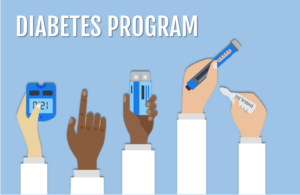
Diabetes Program
This series will include five online modules which provide learners a comprehensive, awareness-level understanding of diabetes, to enable them to effectively support, advise, and monitor programs, and services provided through community-based agencies, including Federally-Qualified Health Centers (FQHCs). This series includes five training modules with each has their own set of pre and posttest questions. Module 1 – Diabetes: The Basic Questions and Answers Module 2 – A Closer Look at Diabetes Module 3 – Social Determinants of Health and Diabetes Module 4 – Prediabetes: The Crisis We can Prevent Module 5 – Improving Diabetes Care and Outcomes Learners will have...

Digital Accessibility for Everyone
SummaryEasterseals Iowa’s Digital Access for Everyone is a two-hour introductory course.It provides an overview of the top five items that can help you make your content more accessible.The course is divided into navigation instructions, six modules, and an optional quiz.You may take the modules in any order. Additional DetailsEach module takes approximately 15 – 20 minutes.After each module, please fill in the feedback survey.To get an optional Certificate of Completion, please take the final quiz. Scores of 75% or higher receive a certificate.View our Funding Statement

Disaster PrepWise
Welcome to the Disaster PrepWise Training Program Overview This program series helps train individuals interested in serving as a Disaster PrepWise program deliverer, who then help develop tailored disaster management plans before a disaster or emergency situation happens. As recommended by federal agencies, Disaster PrepWise uses an "all-hazards" approach to address various types of emergency situations. This program includes a series of six modules with additional supplemental modules. In order to receive a certification of completion, you must complete the six modules and receive a 70% or higher on the final assessment. Intended Audience Individuals and/or groups who are interested...
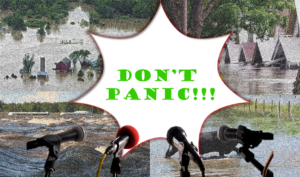
Don’t Panic: Principles of Crisis and Risk Communication Scenario
Course Description Assist individuals with developing messaging to convey information to the general and special populations. It includes guidelines and tools that will help you to create an appropriate message. Intended Audience Health practitioners who need to increase their ability to effectively communicate with the public, media, health care providers and response community during a public health emergency. Learning Objectives: After completion of the course, learners should be able to: Discuss the underlying theories of crisis and risk communication guidelines. Illustrate principles of developing a message map. Explain how to utilize a message map. Describe conducting pre-emergency planning to facilitate...
Donald Williams: Interdisciplinary Pain Management: Older Adult Right Total Knee Arthroplasty
The goal of this course is to provide an interactive learning experience about an older gentleman, Donald Williams, who had a total knee arthroplasty. Intended Audience The intended audience for this course is public health professional, healthcare providers, and pre-licensure students in the fields of medicine, nursing, physical and occupational therapy, pharmacy, and social services. Interdisciplinary care coordination plays an integral role in post total knee arthroplasty case management. The healthcare team may have similar areas for assessment such as pain assessment, pain impact, safety assessment or home exercise program. Each discipline will evaluate the information to address different aspects...

Eating Healthy on the Job
The goal of this course is to provide workers strategies for healthy eating. Topics include the importance of eating a balanced diet and staying hydrated, how to eat healthy on a budget, and how to protects yourself from foodborne diseases. Intended Audience The intended audience for this course is workers in the construction industry. Length The length for this course is approximately 40 minutes depending on the individual user. Upon completion of the course, you will get a certificate of completion from the Oregon Bureau of Labor and Industries, Apprenticeship and Training Division, the Oregon Department of Transportation, Office of Civil Rights, and the...
Effect of Disasters on Mental Health for Children and Adolescents
This course covers the following topics: Risk Factors Psychological First Aid for Children and Adolescents What Parents Can Do to Help Common Reactions of Children and Adolescents to Traumatic Stress Pathological Reactions of Children and Adolescents to Traumatic Stress Treatment Options Throughout the course you will have the opportunity to participate in a scenario-based activity, in which you will apply the knowledge you have attained. Intended Audience anyone who will come into professional contact with disaster victims who are children or adolescents, including DMAT, hospital workers, EMTs, primary care providers and public health workers Learning Objectives: After completing this course,...
Effect of Disasters on Mental Health: Awareness Level
Course Summary There are three sections in this course: Section 1: Disaster, Trauma and Proximity to the Event Section 2: Psycho-Physiology of Trauma and Fear Section 3: Tools for Understanding There are review questions at the end of modules. These review questions will provide you with an opportunity to apply the knowledge and skills presented in these modules. In addition, some modules contain practice exercises to help you better understand the material. Intended Audience anyone who will come into professional contact with disaster victims, including DMAT, hospital workers, EMTs, primary care providers and public health workers Learning Objectives: After successfully...
Effect of Disasters on Mental Health: Technical Level
Course Summary There are three modules in this course: Section 1: Assessment and Intervention in the Immediate Aftermath of a Disaster Section 2: Assessment and Intervention in the Weeks/Months after the Disaster Section 3: Cultural Awareness There are review questions at the end of each section. These review questions will provide you with an opportunity to apply the knowledge and skills presented in these sections. In addition, some sections contain practice exercises to help you better understand the material. Intended Audience Anyone who will come into professional contact with disaster victims, including DMAT, hospital workers, EMTs, primary care providers and...
Effective Communication for Environmental Public Health
Contact: N/A Phone: (206) 685-1130 E-mail: nwcphp@u.washington.edu Description: Do you find yourself struggling to communicate your public health message? This self-paced, interactive module is designed for public health professionals, especially those responsible for implementing environmental health programs. It introduces key communication strategies to help field workers successfully educate the public about environmental public health issues, communicate important environmental health information to diverse audiences, resolve conflicts, and market the value of environmental public health activities to clients and the public. Objectives: Summarize the five components of the communication process Describe three skills important for effectively educating the public about environmental public...
Electronic BT Workshop for Sentinel Labs
The course consists of a Virtual Bioterrorism Workshop. In this interactive workshop you will determine whether to rule out or refer several organisms that are considered potential agents of bioterrorism by applying Laboratory Response Network protocols for Level A (sentinel) laboratories. When a possible agent of bioterrorism cannot be ruled out, you will view a video describing the clinical presentation and etiology of the agent. Intended Audience Laboratorians who handle biological and microbiological samples in clinical, reference, public health, animal, research or teaching laboratories. Learning Objectives After completing this course, you will be able to: Rule out or refer organisms using...
Environmental Health and Justice Resources: A Brief Primer
This course is designed to introduce resources to find data and information to support environmental health and justice work. This course will also demonstration three free resources. Intended Audience Medical professionals, public health workers, first responders, students, and librarians wanting to help the public health and healthcare community find information on environmental health and justice. Course Objectives Define environmental health and environmental justice. Identify tools to find data about environmental health disparities in your community, including EPA's EJ Mapping Tool and CDC Environmental Public Health Tracking. Search Medline Plus to find environmental health information for members of the public. Length...
Ethics and Data Integrity for Technical Staff
This online course discusses ethics and personal integrity and illustrates how these traits apply to technical staff in a public health or other laboratory. Examples of general workplace ethics are provided. Many of the ways that data integrity can be affected by technical staff are explained, from recognizing when sample integrity has been compromised to documenting errors, handling calibration and quality control issues, and changing or correcting results. Examples are given to show how improper practices and the failure to maintain data integrity can lead to fraud. One section of the course is dedicated to improper laboratory practices and how...
Evaluating Effectiveness in Public Health at the Individual and Organizational Level
This presentation will highlight the importance of a systematic approach in evaluating the effectiveness of public health programs, practices, and policies. The presentation will provide applied examples of key concepts and principles and emphasize practical approaches for developing and implementing these evaluation efforts. Intended Audience Learning Objectives: Define key concepts in systematically evaluating public health programs, practices, and policies Name the essential elements of evaluation in public health practices to ensure on-going improvement throughout the public health systems Review the elements of the logic model and its role in guiding subsequent evaluation efforts Describe the importance of evaluating effectiveness at...
Experiences with Strategic Planning in Public Health Organizations
Contact: Brandi Bordelon Phone: 504-988-1342 E-mail: trdirect@tulane.edu Description: Strategic planning has been known to produce positive results, so why are many state and local health departments hesitant to try it? We'll explore the issue in-depth. Competency: CHCM-M04, M05, M06, M07
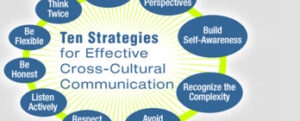
Exploring Cross-Cultural Communication
This course invites learners to spend time thinking about and developing their own responses to a variety of ideas and situations about culture, communication and public health. Learners will explore the meaning of culture, methods of communications, and strategies for communicating more effectively. Intended Audience General Learning Objectives: Give examples of discriminating and non-discriminating practices in providing public health services Recognize effective methods/strategies/techniques for unbiased communication Explain how effective cross-culture communication influences public health service and program acceptance Identify specific factors that influence and individuals or group’s acceptance of public health information and services Describe job-specific benefits and effective cross-cultural...
Financial Management
The University of Iowa College of Public Health's Institute for Public Health Practice, in cooperation with the Iowa Association of Local Public Health Agencies (I-ALPHA), has developed a series of practiced-based educational programs targeted toward new public health administrators and nursing administrators. The programs are part of the Institute's continuing effort to provide training to strengthen the skills and knowledge of the current public health workforce. Intended Audience public health administrators and nurse administrators who are relatively new in their positions (3 years or less) and who seek to enhance their skills and knowledge Learning Objectives: At the conclusion of...
Finding & Evaluating Health Information on the Internet
There are three sections in this course: Section 1: Evaluating Health Information on the Internet Section 2: Utilizing Databases for Finding Health Information on the Internet Section 3: Education and Training Opportunities There are review questions at the end of each part. These review questions will provide you with an opportunity to apply the knowledge and skills presented in these parts. For a full description of requirements for receiving a Certificate of Completion, please go to the Certificate of Completion page. Intended Audience public health administrators and nurse administrators who are relatively new in their positions (3 years or less)...
Forensic Epidemiology: Joint Training for Law Enforcement and Public Health Officials
Course Summary There are four modules in this course: Module 1: Public Health Epidemiology for Law Enforcement Officials Module 2: Criminal Investigation for Public Health Professionals Module 3: The Role of the Laboratory - Public Health and Forensic Module 4: Working Together on Investigations After completing these modules, you will be presenting with three case studies. Problems and questions will be discussed and you may also involve in a discussion board for in-depth discussion regarding the case studies. There are practice exercises at the end of each module. These practice exercises will provide you with an opportunity to apply the...

Fundamentals of Centrifuge Safety
Centrifuges are instruments used to separate mixtures, based on particle size and density, by spinning the mixtures at high speeds. These instruments are essential tools in all types of laboratories. Serious injuries or potential exposures can occur if centrifuges are improperly used or maintained. This basic-level eLearning course provides information on the safe use of centrifuges. Topics covered include major parts of a centrifuge, types of centrifuges, potential hazards, how to work safely with a centrifuge, and what to do if there is an emergency. Audience Public health and clinical laboratory staff, safety professionals and persons interested in safe use...

Fundamentals of Chemical Fume Hood Safety
A chemical fume hood is the main piece of laboratory equipment that protects laboratory staff working with hazardous chemicals. When properly used, fume hoods protect staff from inhaling chemical gases, vapors, and aerosols. They serve as a physical barrier between staff and the hazardous materials inside the hood, and provide some splash protection. This basic-level eLearning course provides an essential understanding of the major components of a chemical fume hood and proper practices for its safe and effective operation. Topics covered include the major components and types of fume hoods and their monitors, maintaining proper airflow, daily use protocols and...

Fundamentals of Personal Protective Equipment (PPE) in Clinical Laboratories
Safety is imperative when working with potentially harmful materials and other hazards in the laboratory. This course is designed to assist clinical and public health laboratory professionals with applying risk management strategies to identify hazards, assess risks, and select appropriate personal protective equipment (PPE) options. Objectives At the conclusion of this course, participants will be able to: Describe how PPE helps protect laboratory professionals. Recognize hazards and risks associated with laboratory procedures. Identify PPE options, limitations, and considerations for selecting appropriate PPE. Select appropriate PPE options for given clinical laboratory scenarios. Length 1 hour Continuing Education Units (CEU) The Centers...

General (Financial) Power of Attorney
Category Supporting Individuals With Disabilities - Decision Making Supports or Supports for Decision Making Course Description This course outlines the essential aspects of a general or financial power of attorney. This course provides the knowledge and tools necessary to effectively utilize a general or financial power of attorney, ensuring your interests are protected and your wishes are respected. Intended Audience Anyone who is interested in learning more about the general (financial) power of attorney. This includes individuals considering signing a power of attorney and individuals named as an agent in a power of attorney. It also includes healthcare professionals, aging...
Grant Writing
The University of Iowa College of Public Health's Upper Midwest Public Health Training Center (UMPHTC), in cooperation with the Iowa Counties Public Health Association (ICPHA), has developed a series of practiced-based educational programs targeted toward new public health administrators and nursing administrators. The programs are part of the Institute's continuing effort to provide training to strengthen the skills and knowledge of the current public health workforce. Intended Audience public health administrators and nurse administrators who are relatively new in their positions (3 years or less) and who seek to enhance their skills and knowledge. Learning Objectives: Upon completion of this...

Guardianship in Iowa
Category Supporting Individuals With Disabilities - Decision Making Supports or Supports for Decision Making Course Description This course outlines the role and responsibilities of a guardian in Iowa. This course provides the knowledge and skills necessary to fulfill your responsibilities effectively while respecting the rights and autonomy of the protected person. Intended Audience Anyone who is interested in learning more about adult guardianships, including the court process for appointing a guardian and the responsibilities a guardian has after they are appointed. This includes individuals serving as a guardian or considering serving as a guardian. It also includes healthcare professionals, aging...
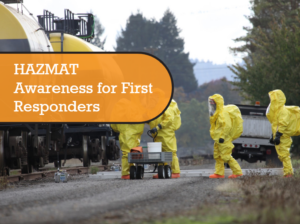
HAZMAT Awareness for First Responders
There are four sections in this course: Section 1: Hospital ‘First Receivers’ and Contaminated Patients in the Hospital Section 2: Recognizing Hazardous Substances in the Emergency Department Section 3: Understanding The Hospital’s Response Plan & Your Role Section 4: Common Hazardous Substances in Your Community There are review questions at the end of each section. These review questions will provide you with an opportunity to apply the knowledge and skills presented in these sections. There is a post-test at the end of the course. A Certificate of Completion is awarded on successful completion of this course. Intended Audience Health care...
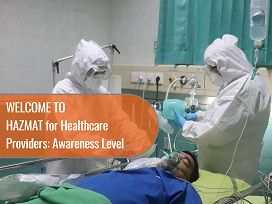
HAZMAT for Healthcare Providers: Awareness Level
Goal The presence of hazardous materials in an Emergency Department is a risk to everyone - hospital personnel, patients and other people within the hospital. During HAZMAT incidents, hospital personnel should have two main goals: to protect both themselves and others from exposure to the hazardous material to provide the same level of care for the contaminated patient as any other patient This course is intended to help you respond to incidents involving hazardous materials in a way that meets these two goals. Intended Audience This course is intended for health care workers in a hospital environment who may potentially...
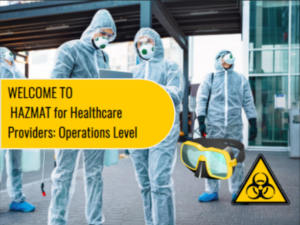
HAZMAT for Healthcare Providers: Operations Level
Course Overview Goal/Intended Audience This course is intended for health care workers in a hospital environment who may need to respond to an incident involving a contaminated patient on the operations level. Prerequisite HAZMAT Awareness for Healthcare Providers is a prerequisite for this course. Capabilities identified: Capability 2: Community Recovery Function 1: Identify and monitor public health, medical, and mental/behavioral health system recovery needs. Function 2: Coordinate community public health, medical, and mental/behavioral health system recovery operations. Function 3: Implement corrective actions to mitigate damages from future incidents. Capability 6: Information Sharing Function 1: Identify stakeholders to be incorporated into...
Health Literacy & Public Health: Introduction
This training: Introduces the concept of health literacy. Dispels common assumptions about people with low literacy. Presents the consequences of low health literacy. Describes public health activities with a health literacy perspective. This training is the first of two that address health literacy and public health. After completing this training, it is recommended that you enroll in Health Literacy & Public Health: Strategies for Addressing Low Health Literacy. This training contains four sections. The content and activities demonstrate how the public’s literacy skills affect interactions with medical and public health staff. Intended Audience: General Learning Objectives: After completing the course, the...
Health Literacy & Public Health: Strategies for Addressing Low Health Literacy
This training: Provides strategies for considering literacy when creating public health messages for the general public. Provides strategies for considering literacy in direct public health services to the public. This training, second in a series, contains two sections and provides practical techniques for addressing literacy issues in spoken and written communications. Be sure to sure to complete Health Literacy & Public Health: Introduction as a good primer. Intended Audience: General Learning Objectives: After completing the course, the learner will be able to: List seven barriers to good communication in public health. Provide an example for each barrier. List seven techniques to improve...
Health Literacy: Understanding the Fundamentals
This course is designed to review the fundamentals of Health Literacy including why it’s important, the concept of universal precautions, and best practices. This course will also demonstration several free resources that can help with health literacy. Intended Audience Medical professionals, public health workers, first responders, students, and librarians looking to assist the public health and healthcare community find free information on prescription and OTC drugs. Learning objectives At the end of this training module, you will be able to: Describe personal and organizational health literacy. Define universal precautions for health literacy. Identify three resources that you can use to address health...

Healthcare Power of Attorney
Category Supporting Individuals With Disabilities - Decision Making Supports or Supports for Decision Making Course Description This course presents the concept and importance of a durable power of attorney for healthcare. This course provides the knowledge and tools necessary to effectively utilize a durable power of attorney for healthcare, ensuring the principal’s wishes are respected and upheld. Intended Audience Anyone who is interested in learning more about the durable power of attorney for healthcare. This includes individuals considering signing a durable power of attorney for healthcare and individuals named as an attorney-in-fact in a durable power of attorney for healthcare....
Helping Students with Brain Injuries – Module 2: Interventions and Accommodations
Course Summary There are three sections in this course: Section 1:Consideration for School Re-entry Section 2:General Classroom Strategies and Accommodations Section 3:Specific Strategies – Math, Reading, Written Expression There are review questions at the end of each section. These review questions will provide you with an opportunity to apply the knowledge and skills presented in these sections. Intended Audience PK-12 teachers, school nurses, Area Education Agency staff, school psychologists, speech / language therapists, occupational therapists, para educators, school administrators, social workers, parents, and caregivers. Learning Objectives: Section 1: Considerations for School Re-entry After completing this section, participants will be able...
Helping Students with Brain Injuries – Module 3: Technology, Assistive Devices, and Troubleshooting
Course Summary There are three sections in this course: Section 1: Software Section 2: Assistive Devices Section 3: Troubleshooting There are review questions at the end of each section. These review questions will provide you with an opportunity to apply the knowledge and skills presented in these sections. Intended Audience PK-12 teachers, school nurses, Area Education Agency staff, school psychologists, speech / language therapists, occupational therapists, para educators, school administrators, social workers, parents, and caregivers. Learning Objectives: Section 1: Software After completing this section, participants will be able to: Discusssoftware products to consider when working with students with brain injury...
Helping Students with Brain Injuries – Module 4: Concussion
Course Summary There are three sections in this course: Section 1:CDC Video Excerpts Section 2:Managing Concussions Section 3:Tracy’s Story There are review questions at the end of section 2. These review questions will provide you with an opportunity to apply the knowledge and skills presented in the section. Intended Audience PK-12 teachers, school nurses, Area Education Agency staff, school psychologists, speech / language therapists, occupational therapists, para educators, school administrators, social workers, parents, and caregivers Learning Objectives: After completing this module, participants will be able to: Describewhat a concussion is Identifysigns of concussion observed in school Identifysymptoms of concussion reported...
Helping Students with Brain Injuries – Module 5: Executive Functions, Behavior, and Emotional & Social Language
Course Summary There are three sections in this course Section 1:Executive Functions Section 2:Behavior Section 3:Emotional and Social Language There are review questions at the end of each section. These review questions will provide you with an opportunity to apply the knowledge and skills presented in these sections. Intended Audience PK-12 teachers, school nurses, Area Education Agency staff, school psychologists, speech / language therapists, occupational therapists, para educators, school administrators, social workers, parents, and caregivers Learning Objectives: Section 1: Executive Functions After completing this section, participants will be able to: Explain how executive functions can affect learning Discuss working memory deficits and...
How to Manage Conflict so it Does not Manage You
This course describes essential strategies to improve effectiveness when dealing with all types of interpersonal and group conflicts that may be experienced with co-workers, bosses, and employees in the workplace. With the right strategies, even conflict-avoiders and in-your-face confrontational types will learn ways to increase their chances of achieving win-win outcomes, while improving interpersonal communication in the process. Intended Audience: Learning Objectives: Identify the benefits of adopting a "conflict manager's mindset" Identify the five predominate styles of conflict management and the situations when each is most appropriate Apply strategies to neutralize your own emotions as well as those of others...

Human Resources
The University of Iowa College of Public Health's Institute for Public Health Practice, in cooperation with the Iowa Association of Local Public Health Agencies (I-ALPHA), has developed a series of practiced-based educational programs targeted toward new public health administrators and nursing administrators. The programs are part of the Institute's continuing effort to provide training to strengthen the skills and knowledge of the current public health workforce. Intended Audience Public health administrators and nurse administrators who are relatively new in their positions (3 years or less) and who seek to enhance their skills and knowledge Learning Objectives At the conclusion of...
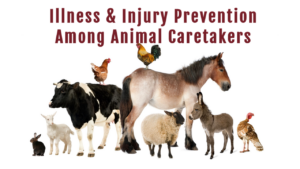
Illness & Injury Prevention Among Animal Caretakers
Overview The goal of Illness & Injury Prevention Among Animal Caretakers is provide a basic understanding of the hazards for individuals that handle or treat livestock on a regular basis. Animal caretakers engage in demanding tasks moving livestock and equipment and may be inadvertently kicked, bitten, or exposed to biological hazards. Intended Audience The intended audience for this course is rural health professionals. Length The length for this course is approximately 60 minutes depending on the individual user. Upon completion of the course, you will get a certificate of completion from the Great Plains Center of Agricultural Health at the...
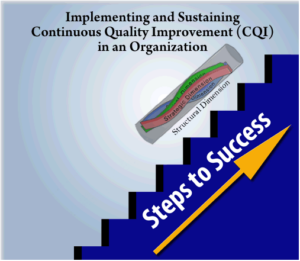
Implementing and Sustaining Continuous Quality Improvement (CQI) in an Organization
Course Summary There are four sections in this course: Section 1: CQI Myths Section 2: Brief Overview of CQI Section 3: Incorporating CQI into Organizational Culture Section 4: Demonstrating How CQI works in Governmental Public Health – A Case Study There are review questions at the end of each section. These review questions will provide you with an opportunity to apply the knowledge and skills presented in these sections. There is a post-test at the end of the course. Intended Audience Board of Health members, Local Public Health Department Directors, Board of Supervisor members, County Leaders, and other professionals who...
Improving Interpersonal Communication and Relationships
The purpose of this course is to focus on the communication skills you will need as a leader in a public health department. It is well known that having effective communication skills is crucial to managing staff and clients in a cooperative and functional manner, and that being able to clearly present ideas enhances career mobility. The communication elements discussed in this course are designed to provide insight into your professional and personal communication. Intended Audience: Aware Learning Objectives: Classify the impact of verbal and non-verbal communication Identify behavioral and communication styles Explain how different communication styles clash Describe how...
Improving the Health of the Community: My Role as a Board of Health Member
This video provides an introduction of the roles and responsibilities that new board of health members have for improving the health of community. Intended Audience New board of health members. Learning Objectives At the end of this training video, you will be able to: Discuss roles and responsibilities of new board of health members. Discuss resources available to new board of health members. Pre-requisites/Learning Level No pre-requisites Competencies addressed Domain 7: Financial Planning and Management Skills 7B3: Implements policies and procedures of the governing body or administrative unit that oversees the organization (e.g., board of health, chief executive’s office, Tribal council) 7C3:...

Inescapable Realities in Public Health – Conflict and Collaboration: Building Competency
Contact: Brandi Bordelon Phone: (504) 988-1342 E-mail: trdirect@tulane.edu Have you ever found yourself in a conflict, either professional or personal, with no idea how to get out of it without simply surrendering or fighting back? Just how is it that conflict seems to arise so often? With all the attention that "win-win" approaches get these days, is collaboration always the best to resolve differences? Is there an element that is common to both collaborating with partners and resolving differences with them? Objectives: Describe the common connection between collaboration and conflict resolution. Describe how acting out of what we know can...
IS 26 – Guide to Points of Distribution
Course Summary This guide was developed to support the Points of Distribution (POD) overview video and provide an in depth look into the planning, operations, and demobilization stages of a POD mission. The lessons detail the staffing and procedures any state will need to plan for, execute, and shut down POD operations. The guide also includes key lessons such as safety, equipment, and resource accountability and informs the reader about the “Adopt a POD” program being used by the state of Washington Intended Audience State and Local Emergency Managers Learning Objectives: By the end of reading this Guide you will...
IS-100.C Introduction to Incident Command
ICS 100, Introduction to the Incident Command System, introduces the Incident Command System (ICS) and provides the foundation for higher level ICS training. This course describes the history, features and principles, and organizational structure of the Incident Command System. It also explains the relationship between ICS and the National Incident Management System (NIMS). The Emergency Management Institute developed its ICS courses collaboratively with: National Wildfire Coordinating Group (NWCG) U.S. Department of Agriculture United States Fire Administration’s National Fire Programs Branch Course Objectives: At the completion of this course, you should be able to: Explain the principles and basic structure of...
IS-1300: Introduction to Continuity of Operations
This course is intended to lay the foundation of knowledge for students who wish to increase their understanding of continuity and building a comprehensive continuity program in their organization or jurisdiction. This course will replace IS-546.A Continuity of Operations Awareness Course and IS-547.A Introduction to Continuity of Operations. IS-546 and IS-547 contain outdated materials and information, are redundant (they contain the same information), and do not align with current federal guidance. IS-1300 eliminates the redundancies by compiling the introductory continuity information into one course, and ensures that the information presented is in alignment with current federal guidance (e.g., Continuity Guidance...
IS-200.C: Basic Incident Command System for Initial Response
IS200, Basic Incident Command System for Initial Response, reviews the Incident Command System (ICS), provides the context for ICS within initial response, and supports higher level ICS training. This course provides training on, and resources for, personnel who are likely to assume a supervisory position within ICS. The Emergency Management Institute developed its ICS courses collaboratively with: National Wildfire Coordinating Group (NWCG) U.S. Department of Agriculture United State Fire Administration’s National Fire Programs Branch Note: IS-200.c is an updated version of the IS-200 course. If you have successfully completed IS-200.b or IS-200.a, you may want to review the new...
IS-700.B NIMS An Introduction
Course Summary This course introduces and overviews the National Incident Management System (NIMS). NIMS provides a consistent nationwide template to enable all government, private-sector, and nongovernmental organizations to work together during domestic incidents. Intended Audience Individuals with emergency management responsibilities including prevention, preparedness, response, recovery and mitigation. Learning Objectives: At the end of the course you should be able to: Describe the intent of NIMS Describe the key concepts and principles underlying NIMS Describe the purpose of the NIMS Components including: Preparedness, Communications and Information Management, Resource Management, and Command and Management Describe the purpose of the National Integration Center...
IS-800 National Response Framework: An Introduction
The goal of the IS-0800.d, National Response Framework, An Introduction, is to provide guidance for the whole community. Within this broad audience, the National Response Framework focuses especially on those who are involved in delivering and applying the response core capabilities, including: Private sector partnersNon-governmental organizations (NGOs)Government officialsCommunity leadersEmergency management practitionersFirst responders The learner must achieve a minimum passing score of 75% on final knowledge assessments to earn the IACET CEU.Selection Criteria:The National Response Framework is intended to provide guidance for the whole community. Within this broad audience, the National Response Framework focuses especially on those who are involved in delivering and...
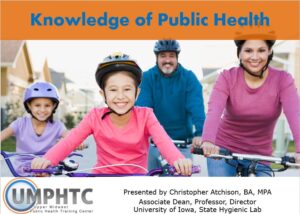
Knowledge of Public Health
Course Summary The University of Iowa College of Public Health's Upper Midwest Public Health Training Center (UMPHTC), in cooperation with the Iowa Counties Public Health Association (ICPHA), has developed a series of practiced-based educational programs targeted toward new public health administrators and nursing administrators. The programs are part of the Institute's continuing effort to provide training to strengthen the skills and knowledge of the current public health workforce. The purpose of the course is to cover topics that are especially relevant to new public health administrators. It is hoped that by the end of the course participants will have enhanced...

Leadership Management Communication
No matter how effective a leader/manager you already are, this course is designed to refresh and refine the skills needed to lead your teams to success in today's fast-paced and stressful health care environment. By exploring effective leadership styles and strategies, this course provides specific tools to enhance leadership/management communication. Intended Audience: Learning Objectives: By the end of the course, you should be able to do the following: Identify the differences between leadership and management, describe the tasks and essentials of effective leadership, and identify the differences between dissonant and resonant leadership styles Understand how and why well intentioned management...
Leadership, Strategic Planning and Systems Approaches
Intended Audience: Learning Objectives: Pre-requisites/Learning Level: None Competencies addressed: CHCM-R07 Utilize effective communication and marketing principles to impact primary health care organization problems and challenges specific to targeted audiences. CEUs Offered: Cost:Free Modality/format:Online Self-Pace Length: 1 hour Presenter(s) and/or Content Experts: Technical requirements: Adobe Acrobat Reader Speakers Registration requirements:Register a free account Creation and/or update: November 12, 2012
Local Boards of Health – Toolkit
Keywords/Themes: Public Health, National Association of County and City Health Officials (NACCHO), Local Health Departments (LHDs), Community, health hazards, Public Health Policies, public health actions, Board of Health (BOH), ethics, governance, administration, communication and information technology, workforce, community assessment and planning, evaluation, fiscal responsibility, environmental health services, infectious and reportable diseases, community health planning, accreditation, assessment, assurance, bioterrorism, capacity, chronic disease, determinants of health, disease, endemic, entomologist, epidemic, epidemiology, foodborne illness, health, health disparities, incidence, infectious, intervention, infrastructure, isolation, morbidity, mortality, non-infectious, outcome standards, police powers, population-based, prevalence, prevention, quality assurance, quarantine, rate, risk assessment, risk factor, screening, surveillance, ...
Making Crucial Connections: Public Health Law
This course is designed to familiarize local Board of Health (BOH) administrators and members with applicable laws and regulations impacting local public health agencies and Boards of Health. Topics What’s the Connection Part 1: Role of Local Boards of Health (BOH) Part 2: Governing Statues Part 3: Quarantine and Isolation Part 4: Patient Protection and Affordable Care Act (PPACA) Self-Reflection Course Summary Intended Audience individuals who are new Public Health Administrators. Learning Objectives: At the completion of this training, the learner will be able to: Identifythe primary mandates on local boards of health, and identify their sources Describethe perspective roles...
Managerial Communications
On completion of this course, the user will be able to demonstrate written and oral communication skills that are needed as a leader in a health department by: identifying communication skills, listing effective presentation skills, and distinguishing different writing techniques. Intended Audience: Learning Objectives: Module 1: Effective Interpersonal Communication - Distinguish the fundamental elements of message, explain the message model, identify tangible and intangible barriers, distinguish the levels of listening, describe the guides to good listening,and explain the key points of basic interpersonal communication Module 2: Presentation Skills - Identify the objectives of a good presentation, Distinguish physical, mechanical, and...

Managing Conflict in the Workplace
Contact: Brandi Bordelon Phone: (504) 988-1342 E-mail: trdirect@tulane.edu Conflict management skills are used in all aspects of life. From interpersonal to work situations, all of us need these skills in one way or another. Some of the fundamentals of effective conflict management are intuitive, and some stretch our preferred methods of dealing with others. Objectives: Identify the six keys to managing conflict in the workplace. List some root causes of workplace conflicts. Identify the fundamentals of principled negotiations. Describe the four steps for managing workplace conflict. List the steps to take when planning for a conversation about conflict. State the...

Managing Diversity Begins With You
The purpose of this intermediate course is to acquire a conceptual framework with tools to manage diversity in the workplace as a way of improving service delivery, quality, and accessibility. It is expected that each participant will be able to identify their role in their own organization with respect to diversity and cultural competency and to position their organization as a leading organization in the delivery of culturally competent services. Intended Audience:Knowledgeable Learning Objectives: To mange workplace diversity by enhancing communication skills To manage workplace diversity by enhancing conflict resolution skills with individuals and groups representing diverse cultures To manage...
Marketing
The purpose of the course is to cover topics that are especially relevant to new public health administrators. It is hoped that by the end of the course participants will have enhanced the knowledge, skills, and abilities they need to be a successful public health administrator. Intended Audience Public health administrators and nurse administrators who are relatively new in their positions (3 years or less) and who seek to enhance their skills and knowledge Learning Objectives At the conclusion of this course, you will be able to: Describe the key considerations in developing a marketing strategy for public health. Describe the interdependency...
Module 1: Diabetes: The Basic Questions and Answers
Prevention and Management of Diabetes: Current Community-Based Strategies Keywords Diabetes, Diabetes Prevention, Diabetes Management, Diabetes Prevention Program, Community-Based Agencies, Social Determinants of Health Descriptions This series will include five online modules which provide learners a comprehensive, awareness-level understanding of diabetes, to enable them to effectively support, advise, and monitor programs, and services provided through community-based agencies, including Federally-Qualified Health Centers (FQHCs). This series includes five training modules with each has their own set of pre and posttest questions. Module 1 – Diabetes: The Basic Questions and Answers Module 2 – A Closer Look at Diabetes Module 3 – Social...
Module 2: A Closer Look at Diabetes
Prevention and Management of Diabetes: Current Community-Based Strategies Keywords Diabetes, Diabetes Prevention, Diabetes Management, Diabetes Prevention Program, Community-Based Agencies, Social Determinants of Health Descriptions This series will include five online modules which provide learners a comprehensive, awareness-level understanding of diabetes, to enable them to effectively support, advise, and monitor programs, and services provided through community-based agencies, including Federally-Qualified Health Centers (FQHCs). This series includes five training modules with each has their own set of pre and posttest questions. Module 1 – Diabetes: The Basic Questions and Answers Module 2 – A Closer Look at Diabetes Module 3 – Social...
Module 3: Social Determinants of Health and Diabetes
Prevention and Management of Diabetes: Current Community-Based Strategies Keywords Diabetes, Diabetes Prevention, Diabetes Management, Diabetes Prevention Program, Community-Based Agencies, Social Determinants of Health Descriptions This series will include five online modules which provide learners a comprehensive, awareness-level understanding of diabetes, to enable them to effectively support, advise, and monitor programs, and services provided through community-based agencies, including Federally-Qualified Health Centers (FQHCs). This series includes five training modules with each has their own set of pre and posttest questions. Module 1 – Diabetes: The Basic Questions and Answers Module 2 – A Closer Look at Diabetes Module 3 – Social...
Module 4: Prediabetes: The Crisis We Can Prevent
Prevention and Management of Diabetes: Current Community-Based Strategies Keywords Diabetes, Diabetes Prevention, Diabetes Management, Diabetes Prevention Program, Community-Based Agencies, Social Determinants of Health Descriptions This series will include five online modules which provide learners a comprehensive, awareness-level understanding of diabetes, to enable them to effectively support, advise, and monitor programs, and services provided through community-based agencies, including Federally-Qualified Health Centers (FQHCs). This series includes five training modules with each has their own set of pre and posttest questions. Module 1 – Diabetes: The Basic Questions and Answers Module 2 – A Closer Look at Diabetes Module 3 – Social...
Module 5: Improving Diabetes Care and Outcomes
Prevention and Management of Diabetes: Current Community-Based Strategies Keywords Diabetes, Diabetes Prevention, Diabetes Management, Diabetes Prevention Program, Community-Based Agencies, Social Determinants of Health Descriptions This series will include five online modules which provide learners a comprehensive, awareness-level understanding of diabetes, to enable them to effectively support, advise, and monitor programs, and services provided through community-based agencies, including Federally-Qualified Health Centers (FQHCs). This series includes five training modules with each has their own set of pre and posttest questions. Module 1 – Diabetes: The Basic Questions and Answers Module 2 – A Closer Look at Diabetes Module 3 – Social...
Molly Kellogg Podcasts
Motivational interviewing forms the foundation of this practical program. The focus here is on the basic counseling skills that are essential for Value Enhanced Nutrition Assessment (VENA). The program can be used by a group of staff together or by individual counselors in their own time. It is all on-line and available immediately upon purchase. It is most appropriate for nutrition counselors, though clerical staff will benefit as well. This program works best when supervisors follow along. Consider using these units to augment your training or as part of on-going in-service sessions. The Program includes: Eleven units, each with an...
Motivational Interviewing: Supporting Patients in Health Behavior Change
This course is designed to equip healthcare providers and ancillary staff with the knowledge and tools to optimize patient behavior change to ultimately improve health outcomes. The following are the topics that will be covered in this course: Components of Motivational Interviewing (MI) Benefits of Using Motivational Interviewing Traditional Expert-Centered Model vs. MI Patient-Centered Model Principles of MI Readiness to Elicit Change Talk Script and narration for the presentation is prepared by Dr. Rebecca Lang. There is a posttest at the end of the course. A Certificate of Completion is awarded on successful completion of this course. Intended Audience Any...
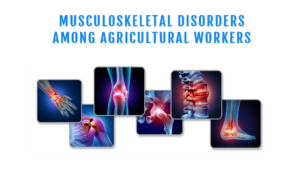
Musculoskeletal Disorders Among Agricultural Workers
Goal The goal of this course is to provide a basic understanding of common musculoskeletal disorders that affect agricultural workers Intended Audience The intended audience for this course is rural health professionals. Length The length for this course is approximately 60 minutes depending on the individual user. Upon completion of the course, you will get a certificate of completion from the Great Plains Center of Agricultural Health at the University of Iowa College of Public Health. Prerequisite Requirement NA, however, it is advisable that you have some basic understanding of agricultural environment. Learning Objectives At the end of this course,...
New Public Health Administrators Program
This series of 14 courses is intended to benefit new public health administrators.Public Health LawRisk CommunicationStrategic PlanningBasic EpidemiologyCommunity Planning to Improve Quality of LifeContractsCritical ThinkingFinancial ManagementFinding & Evaluating Health Info on the InternetGrant WritingHuman ResourcesKnowledge of Public HealthMarketingOverall Aspects of Managing an AgencyCourses address topics including general agency management, grant writing, contracts, critical thinking, human resources, general public health knowledge, etc.Enroll in the curriculum, and then work through the courses in any order. There is a quiz at the end of each course.*Please note that all of the courses that make up this Curriculum are also available individually in the Course...
Nutrition and Oral Health for Children
Keywords/Themes: aberrant dentin, achondroplasia, Angelman syndrome, angular cheiltis, anorexia nervosa, bulimia nervosa, bruxism, cachexia, calculus, candidiasis, deLange syndrome, dentin, dentifrice, diabetes, Down syndrome, early intervention services,enamel hypoplasia, fetal alcohol syndrome, fragile X syndrome, galactosemia, gastroesophageal reflux, gingiva, gingival hyperplasia, glossitis, glycogen storage disease, Head Start, HIV/AIDS, hypophosphatemia, Klinefelter syndrome, Lowe syndrome,malocclusion, mandible, marfan syndrome, Maxilla, Morphogenesis, Muscular dystrophy, neutropenia, organic acid disorders, Papillon-Lefevre syndrome, periodontal ligament, phenylketonuria, Rett syndrome, Smith-Lemli-Opitz syndrome, stomatitis, trisomy 18, urea cycle disorders, WIC, Williams syndrome, xerostomia Pre-requisites/Learning Level: None Competencies addressed: CEUs Offered: Prior approval for continuing education credit (1 hour per module) has been...
Nutrition for Children with Special Health Care Needs
The Pacific West MCH Distance Learning Network was developed in response to the identified training needs of maternal and child health practitioners providing nutrition services in the Pacific West Cluster and to the MCHB continuing education program priority established in maternal and child nutrition. The overall goal of the project is to develop a distance-learning network among MCHB-sponsored training programs and state Title V agencies to strengthen nutrition services for children with special health care needs and their families in Regions VII, IX and X, including Alaska, Arizona, California, Colorado, Hawaii, Idaho, Montana, New Mexico, Nevada, Oregon, Utah, Washington, and...

Off-Road Vehicle Hazards
Goal The goal of Off-Road Vehicle Hazards is to provide an overview of off-road vehicle used in agriculture and understand how to minimize and prevent injuries. Intended Audience The intended audience for this course is rural health professionals. Length The length for this course is approximately 60 minutes depending on the individual user. Upon completion of the course, you will get a certificate of completion from the Great Plains Center of Agricultural Health at the University of Iowa College of Public Health. Prerequisite Requirement NA, however, it is advisable that you have some basic understanding of agricultural environment. Learning Objectives...
Office of Public Guardian Training
This training provides an overview of the Office of the Public Guardian, including its role, services, and how it supports Iowans who need decision-making assistance. The course is designed to help ADRC navigators better understand when and how to refer individuals to the Office of the Public Guardian. This training is offered through a separate training portal. A certificate of completion will be provided upon successful completion of the course requirements.
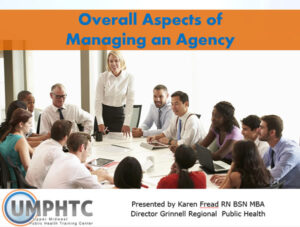
Overall Aspects of Managing an Agency
The University of Iowa College of Public Health's Upper Midwest Public Health Training Center (UMPHTC), in cooperation with the Iowa Counties Public Health Association (ICPHA), has developed a series of practiced-based educational programs targeted toward new public health administrators and nursing administrators. The programs are part of the Institute's continuing effort to provide training to strengthen the skills and knowledge of the current public health workforce Intended Audience Public health administrators and nurse administrators who are relatively new in their positions (3 years or less) and who seek to enhance their skills and knowledge. Learning Objectives At the conclusion of...

Overview of Guardianship and Conservatorship in Iowa
This course offers an exploration of guardianships and conservatorships in Iowa, specifically for adults over the age of 18. It emphasizes the rights of the protected person and the critical responsibility of guardians and conservators to respect and preserve the individual’s autonomy whenever possible. Intended Audience Anyone who is interested in learning more about adult guardianships and conservatorships. This includes individuals serving in those roles or considering serving in those roles. It also includes healthcare professionals, aging and disability service providers, social workers, educators, and others who work with adults who have guardians or conservators. Course Objectives During this course,...
Pandemic Influenza: Protecting Iowa First Responders
This course consists of five 15-minute presentations featuring the topics listed below. A Pre-Test and a Post-Test, to be completed by all participants, have been included to assess the effectiveness of the program. Avian Influenza and Historical Pandemic Events Self-Protective Measures Public Health Approaches to Disease and Illness Prevention Isolation and Quarantine Psychological Impact of Pandemics Intended Audience Iowa’s first responders Learning Objectives: At the conclusion of this program, participants will be able to: Describe the history and current status of pandemic influenza. Discuss safety considerations that must be implemented when responding to a pandemic influenza event. Describe public health...
Pandemic: A Critical Thinking Scenario
Goal The goal of this scenario is to assess and train mid-level public health professionals in the application of critical thinking as a means of solving problems related to community preparedness for public health emergencies, such as an Influenza Pandemic. The scenario is based on the Critical Thinking course as well as using the established model of Critical Thinking that has six steps: Identify and Define the Problem Gather Information Develop Alternatives Select an Alternative Implement the Solution Evaluate the Solution Intended Audience The audience for this course consists of mid-level public health professionals and/or those responsible for community preparedness...
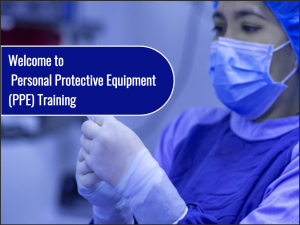
Personal Protective Equipment (PPE)
Goal This course is designed for local public health agencies and professionals who may be involved in public health disasters. The goals of the course are to: Increase awareness of the importance of using PPE in public health emergencies and crises. Reinforce appropriate PPE in different crisis situations and biohazards. Intended Audience The intended audience for this course is local public health employees/ agencies and “on site” professionals who may be involved in public health emergencies such as flooding, disease outbreak, hurricanes and floods, debris cleanup, mass fatalities, or any other related public health emergencies. Length The length of time...
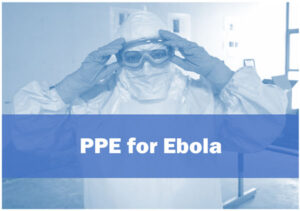
Personal Protective Equipment (PPE) for Ebola
Goal To provide just-in-time information on donning and doffing PPE procedures when providing care to a person under investigation (PUI) patient with confirmed Ebola who are clinically stable and do not have bleeding, vomiting, or diarrhea, often considered “dry” patients. Intended Audience Public Health professionals and/or hospitals interested in learning the procedures for donning and doffing PPE. Learning Objectives At the completion of the course, learners should be able to: Identify type of PPE combination used at your facility Apply proper procedures and safe work practices when using PPE Illustrate proper donning and doffing procedures Competencies The following Core public...
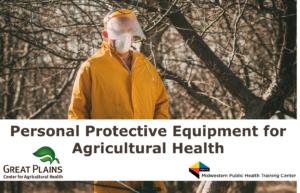
PPE for Agricultural Health
The goal of this course is for rural health and safety professionals to be able to recognize the responsibilities of employers and employees when using PPE in the workplace and apply methods for the proper selection of PPE. Intended Audience The intended audience for this course is rural health professionals. Length The length for this course is approximately 2 hours depending on the individual user. Upon completion of the course, you will get a certificate of completion from the Great Plains Center of Agricultural Health at the University Of Iowa College Of Public Health. Prerequisite Requirement NA, however, it is...
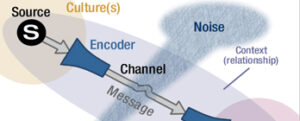
Practicing Cross-Cultural Communication: Community Health Worker
"Communicate to Make a Difference: Practicing Cross-Cultural Communication" is a collection of case studies that examine the practical application of the "Ten Strategies for Effective Cross-Cultural Communication," as described in the "Exploring Cross-Cultural Communication" training. There are many facets of organizational culture. It is the awareness of these facets and how communication can affect an organization that is the focus of the "Community Health Worker Program" module. How can three different groups overcome communication challenges to work together? Intended Audience: Public health professionals including nurses, physicians, health educators. Learning Objectives: After working through this module, "Community Health Worker Program," you will...
Prescription and Over the Counter Drugs: Supporting Patients with Evidence Based Information
This course is designed to demonstrate how resources for the National Library of Medicine can be used to help the public health and healthcare community find free information on prescription and Over-the-counter (OTC) drugs.Intended Audience Medical professionals, public health workers, first responders, students, and librarians looking to assist the public health and healthcare community find free information on prescription and OTC drugs. Learning objectives At the end of this training module, you will be able to: Describe some current challenges related to prescription and OTC drug use in the USA using authoritative statistical sources. Find information about safety and adverse effects...
Program Evaluation
This course is designed to familiarize local public health administrators and members with program evaluation, which is an essential organizational practice in public health. Program evaluation is defined as “the systematic collection of information about the activities, characteristics, and outcomes of programs to make judgments about the program, improve program effectiveness, and/or inform decisions about future program development." This course will go over the steps of the program evaluation process as well as a basic evaluation plan. Intended Audience individuals who are new Public Health Administrators Learning Objectives: Upon completion of this part, you will be able to: Describethe steps...
Promoting U Through Safety and Health (PUSH): A Training for Young Workers
The goal of this course is to provide young workers (less than 25 years old) with strategies to protect themselves at work. Topics include why young workers are at risk for injuries, finding and controlling hazards, worker rights, communication, workplace violence, harassment, and discrimination, and being alert and ready for work. Intended Audience The intended audience for this course is anyone who is new to the workplace, particularly those under the age of 25. Length The length for this course is approximately 45 minutes depending on the individual user. Upon completion of the course, you will get a...
Quarantine and Isolation Law
There are three modules in this course: Iowa Legal Code and Quarantine and Isolation provides a detailed account of the legal tools available in Iowa code and how to use them. You will have the opportunity to test your understanding of the material presented at various points in the module. Quarantine and Isolation During a Public Health Disaster contains information on legal tools that can be used during a public health disaster. Included in this module is a link to an article that discusses key considerations in making the decision to impose a wide-scale quarantine. Resources is a list of...
Responding to a Crisis: Managing Emotions and Stress Scenario
Course Overview Course Goal This course utilizes scenario-based learning to cover concepts of Psychological First Aid in responding to disasters. The learner makes decisions about how to respond to the emotional needs of disaster victims and volunteers. Intended Audience This course is intended for the public health workforce, as well as anyone involved in post-disaster recovery. Length The length of time for participants to take this course is estimated to be one hour. Course Content & Navigation The course is set up as an interactive scenario. There are 4 sections of the course that need to be completed. Users will...
Salt/Sodium Reduction: Opportunities for Change
There are four sections in this course: Section 1: Salt and Sodium – Sources and Recommendations Section 2: Public Health Imperative Section 3: Campaigns and Actions Section 4: How Can You Use this Knowledge Intended Audience Healthcare providers who screen and treat WISEWOMEN patients; Physicians, Physicians Assistants, Nurses, Medical Assistants and health educators. Learning Objectives: At the end of this course, participants will be able to: Identifythe sources of salt/sodium intake Applythe recommendations of salt/sodium intake Discusssalt/sodium reduction efforts as a public health imperative Demonstratethe association between salt/sodium intake and high blood pressure Recognizethe current campaigns and activates accomplished in...
Smallpox Train-the-Trainer Renewal
The purpose of this course is to provide public health officials with information regarding smallpox to be able to respond quickly and effectively to smallpox outbreaks and in case smallpox is used as a bioterrorism weapon. There are ten modules in this course: Smallpox: The Disease Rash Evaluation Distribution & Storage Reconstitution of Vaccine Vaccination Clinic Set Up Administering Vaccine Screening Site Care/Take Evaluation Adverse Reactions Quarantine & Isolation Intended Audience Those who have successfully completed an Iowa Department of Public Health Smallpox TTT program with updated information and an opportunity to review the subject content. Learning Objectives At the end...

Social Marketing and Public Health: Effective Campaigns and How They Work
This presentation provides an overview of the theories behind social marketing, social marketing strategies, how it works, and examples of effective campaigns Intended Audience: Learning Objectives: By the end of the course, you should be able to do the following: Understand social marketing. Social marketing theories and strategies. Principals and evidence of effectiveness. Pre-requisites/Learning Level:None Competencies addressed: Communications 1.9. Share information that is understood by the average person using the media, various electronic technologies, and community networks. CEUs Offered:N/A Cost:Free Modality/format:Online Self-Pace Length:1 hour Presenter(s) and/or Content Experts: Technical requirements: Adobe Acrobat Reader Speakers Registration requirements:Register a free account Creation...
Strategic Planning
The University of Iowa College of Public Health's Upper Midwest Public Health Training Center (UMPHTC), in cooperation with the Iowa Counties Public Health Association (ICPHA), has developed a series of practiced-based educational programs targeted toward new public health administrators and nursing administrators. The programs are part of the Institute's continuing effort to provide training to strengthen the skills and knowledge of the current public health workforce Intended Audience Public health administrators and nurse administrators who are relatively new in their positions (3 years or less) and who seek to enhance their skills and knowledge Learning Objectives At the conclusion of...
Successful Student Internships: Tips and Tools for Supervisors
Welcome to Successful Student Internships: Tips and Tools for Supervisors Overview This training equips supervisors and organizational leaders with practical strategies to effectively onboard, mentor, and manage student interns, creating a positive and productive experience for both interns and the organization. Participants will learn how to foster engagement, provide meaningful work opportunities, and ensure interns contribute successfully to short-term projects while developing professional skills. Intended Audience Supervisors and leaders in public health-related fields who oversee or plan to host student interns Educators, program coordinators, HR professionals, and managers in other sectors who host student interns or manage internship programs Pre-requisites/Learning...
The Messenger Chronicles: Introduction & The Four Cs
Contact: Brandi Bordelon Phone: (504) 988-1342 E-mail: trdirect@tulane.edu Description: The "Messenger Chronicles: Effective communication strategies for difficult conversations" presents a new framework for communication in difficult situations. This framework shifts focus away from managing "difficult" people towards and understanding of the process of difficult conversations and accepting responsibility for one's own performance. Given realistic situations and real-world conversations, learners will experience communication strategies and practical techniques in context. The "Messenger Chronicles" is organized into a number of modules that simulate realistic conversations. Many of the conversations are split into three sections: Read, Think and Analyze. Learners will read a conversation...
The Messenger Chronicles: Managing Stress and Time
The "Messenger Chronicles" online training series presents ideas for communication in difficult situations. The "Managing Stress and Time" module, helps learners to recognize the symptoms of stress and the factors that may increase their susceptibility to stress. Strategies to manage stress are offered in the scenario-based training. Learners are also given a framework for managing and prioritizing tasks to help minimize "stress-causing" situations. Job aids like the "Project Startup Tool" and the "Urgent/Important Matrix" are provided for learners' use. "Managing Stress and Time" features strategies and frameworks used in real world situations that learners can apply to their own environments. ...
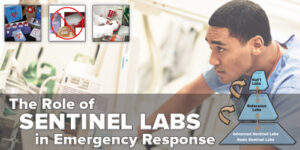
The Role of Sentinel Labs in Emergency Response
There are five sections in this course: Section 1: The National Laboratory Response Network Section 2: Basic and Advanced Sentinel Laboratories Section 3: Role of Public Health Labs in Emergency Response Section 4: Role of Sentinel Laboratories in a Bioterrorism Event Section 5: Role of Sentinel Laboratories in a Chemical Event Modules 1 through 3 contain "pop quizzes" to assist you in understanding and assimilating the information. Module 4 and 5 contains scenario exercises to enable you to apply what you have learned to situations that may occur during a bioterrorism or chemical event. Intended Audience Individuals who work in...
Transportation Hazards in Agriculture
Goal The goal of Transportation Hazards in Agriculture is to provide an overview of transportation hazards in agriculture and understand how to minimize and prevent injuries. Intended Audience The intended audience for this course is rural health professionals. Length The length for this course is approximately 60 minutes depending on the individual user. Upon completion of the course, you will get a certificate of completion from the Great Plains Center of Agricultural Health at the University of Iowa College of Public Health. Prerequisite Requirement NA, however, it is advisable that you have some basic understanding of agricultural environment. Learning Objectives...
Universal Design – Module 2: Aging and Disability – Implications for Home Modifications and Independence
Course Summary There are six sections in this course: Section 1:How are we Changing? Section 2:The ADA, Building Codes Section 3:Home Modification Ideas Section 4:Determining a Strategy for Implementation Section 5:Additional Resources Section 6:Funding/Financial Information There are review questions at the end of section 1 to 4. These review questions will provide you with an opportunity to apply the knowledge and skills presented in these sections. There is a post-test at the end of the course. For a full description of requirements for receiving a Certificate of Completion, please go to the "Certificate of Completion" page. Intended Audience professional home...
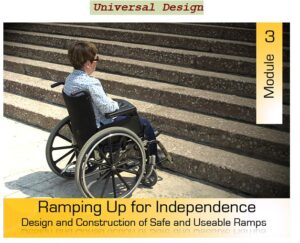
Universal Design – Module 3: Ramping Up For Independence – Design and Construction of Safe and Useable Ramps
Goal This course is designed for individual consumers and other parties interested in providing safe and useable ramps. The goals for this course include: Increase awareness of ramp design and construction Intended Audience The intended audience for this course will include individual consumers, family members, building trades programs and volunteer organizations. Length The length of time for participants to take this course is estimated to be 1 1/2 to 2 hours. Course Content There are nine sections in this course: Section 1: How Are We Changing?Section 2: The ADA and Building CodesSection 3: Site ConsiderationsSection 4: Types of RampsSection 5: Construction TipsSection 6: Products and ResourcesSection...
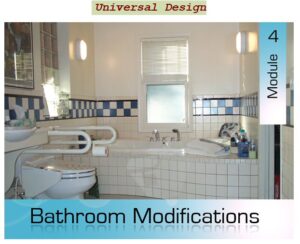
Universal Design – Module 4: Bathroom Modifications
Course Summary There are six sections in this course: Section 1:How are we Changing? Section 2:The ADA, Building Codes Section 3:Home Modification Ideas Section 4:Determining a Strategy for Implementation Section 5:Additional Resources Section 6:Funding/Financial Information There are review questions at the end of section 1 to 3. These review questions will provide you with an opportunity to apply the knowledge and skills presented in these sections. There is a post-test at the end of the course. For a full description of requirements for receiving a Certificate of Completion, please go to the "Certificate of Completion" page. Intended Audience individual consumers,...
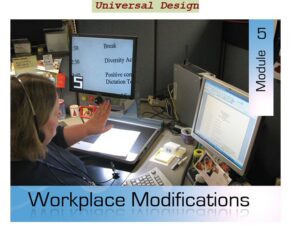
Universal Design – Module 5: Workplace Modifications
Course Summary There are six sections in this course: Section 1: Today’s Workforce and Beyond Section 2: ADA Accessibility Information Section 3: Master Planning for Accessibility Section 4: Accommodating Specific Employee Needs Section 5: Tax Provisions for Improving Accessibility Section 6: Products and Resources There are review questions at the end of section 1 to 4. These review questions will provide you with an opportunity to apply the knowledge and skills presented in these sections. There is a post-test at the end of the course. For a full description of requirements for receiving a Certificate of Completion, please go to...
WeSupportU Preventing Suicide
This course is designed to be a recognition and referral training that allows each individual to help create communities of support for mental health, and decrease deaths of despair. The training focuses to increase understanding and awareness of suicide risk. Also, how to intervene when you are concerned about someone you know, connect them with resources, and offer support moving forward. Intended Audience All sectors in the community who are interested in mental health awareness/prevention and/or want to support a more resilience and compassionate workplace. This includes Healthcare professionals, public health workers, first responders, education, and beyond. Course Objectives Define...
WHO Growth Chart Training
This course was developed by the CDC to train health care providers and others who measure and assess child growth on how to use the World Health Organization (WHO) growth standards to assess growth among infants and children ages birth to 2 years. The WHO growth standard charts described in this training course apply only to children aged birth to 2 years. There are seven sections in this course: Recommendations and Rational for Using the WHO Growth Charts in the United States Creating the WHO Growth Standard for Infants and Young Children Comparing Methodologies Used to Develop WHO and CDC...

WIC Works Learning Online Courses
WIC Learning Online is a series of online courses designed to train all levels of staff working in the WIC program. Select WIC Learning Online courses are approved for CPEUs by the Commission on Dietetic Registration and CERPs by the International Board of Lactation Consultant Examiners. This continuing education activity was approved by the Maryland Nurses Association, an accredited approver by the American Nurses Credentialing Center's Commission on Accreditation. Intended Audience Learning Objectives Pre-requisites/Learning Level None Competencies addressed CEUs Offered Cost Free Modality/format Online Self-Pace Length 1 hour Presenter(s) and/or Content Experts United States Department of Agriculture Technical requirements Adobe...